The "AI in fashion" essays have come in two flavors over the last two years. The first: AI will replace models and production entirely. The second: AI is a fad, nothing will change.
Both are wrong. This is the third, ground-truth version, based on running real productions in 2026.
What AI actually changed (for us)
Three workflow points moved meaningfully.
Moodboard generation. A creative brief that used to take a stylist 4-6 hours to translate into a moodboard now takes 45 minutes. Tools like Midjourney, Recraft, and a few internal Stable Diffusion fine-tunes generate reference frames that bridge the gap between brief and shoot.
This helps the brief; it does not replace the shoot.
Scouting pre-screen. When we receive ~300 #Getscouted applications per month, the first pass, basic eligibility, format check, image quality, is now AI-assisted. The human review starts on a cleaner pipeline.
Wrap report generation. Production wrap reports used to take 2-3 hours of typing. With dictated notes and a wrap-report assistant, it is 30 minutes. The producer signs off on the content; the AI handles the formatting.
What AI did not change
The campaign itself. Despite the volume of "AI fashion campaign" coverage, no major luxury brand has run a primary campaign on AI-generated imagery as of early 2026.
The reasons are not romantic. They are practical:
Talent rights. A real campaign needs talent contracts, brand alignment, and usage rights. AI-generated faces sit in a legal grey zone that brands' legal teams refuse to clear.
Brand trust. Luxury brands sell trust. A campaign that turns out to be AI-generated, after the fact, undermines the brand value. The downside risk is higher than the upside cost saving.
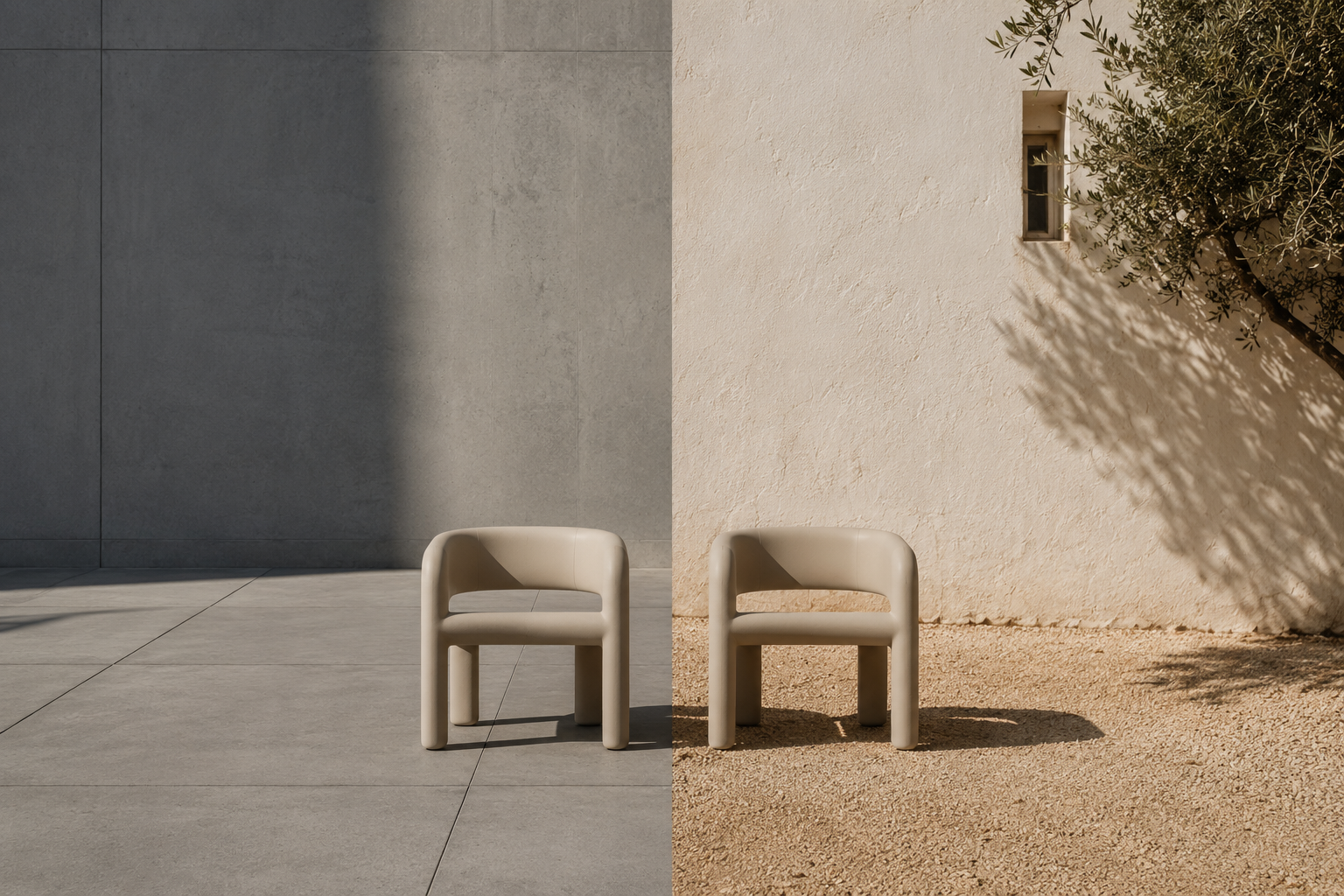
The locations are real. A masseria in Puglia photographed at golden hour reads as a real place. An AI render of the same masseria reads as a render. The eye can tell, even when the conscious mind cannot articulate why.
Cultural specificity. Mediterranean skin, Polish bone structure, Korean styling, these are local categories with deep cultural meaning. AI tends to average them out. A campaign that wants real Mediterranean talent shoots real Mediterranean talent.
The technology is changing the workflow. It is not changing the work.
Where it is going
Three reasonable predictions for 2026-2027.
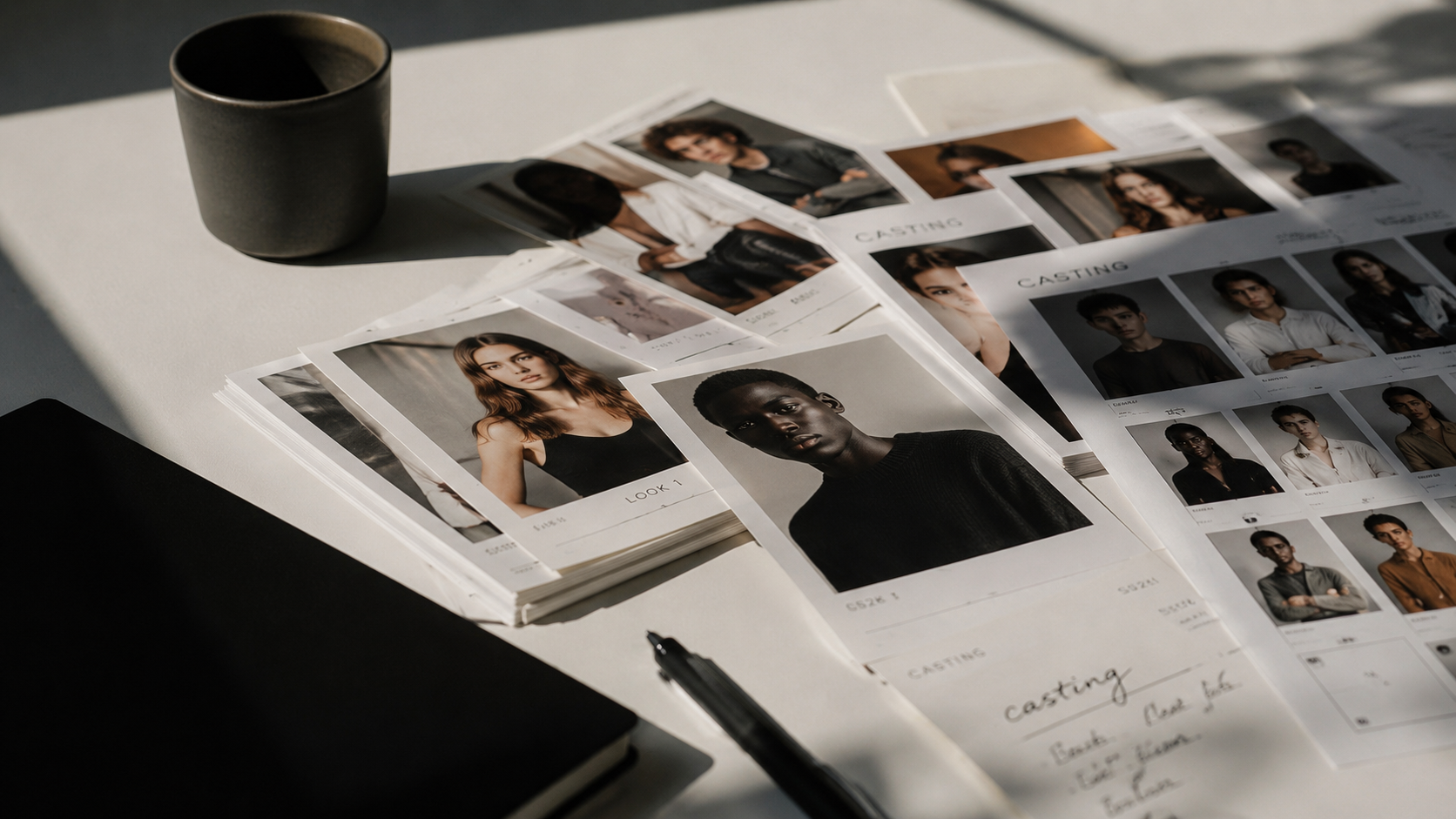
More creative pre-production tools. Better moodboards, better location previs, better casting boards generated from a brief. The pre-production layer compresses by ~40%.
More e-commerce AI imagery. Product-only shots (no human talent) will see AI penetration. A pair of shoes on a Mediterranean cliff, rendered, will look indistinguishable from photographed in many low-stake contexts.
Real campaigns stay real. The brands that bet on AI primary campaigns will lose brand value faster than they save on production cost. The market correction will happen by 2027.
What this means for clients
If you are briefing a Production Services or Casting Direction job in 2026, the AI question matters less than the people question.
Your real questions are: who is on the ground, what is the talent depth, how does the wrap report look. The AI workflow improvements are happening invisibly in our backend. Your campaign still gets shot in a real place with real talent and real crew.
That is the bet we are making for the next decade.